


To More Inquiry
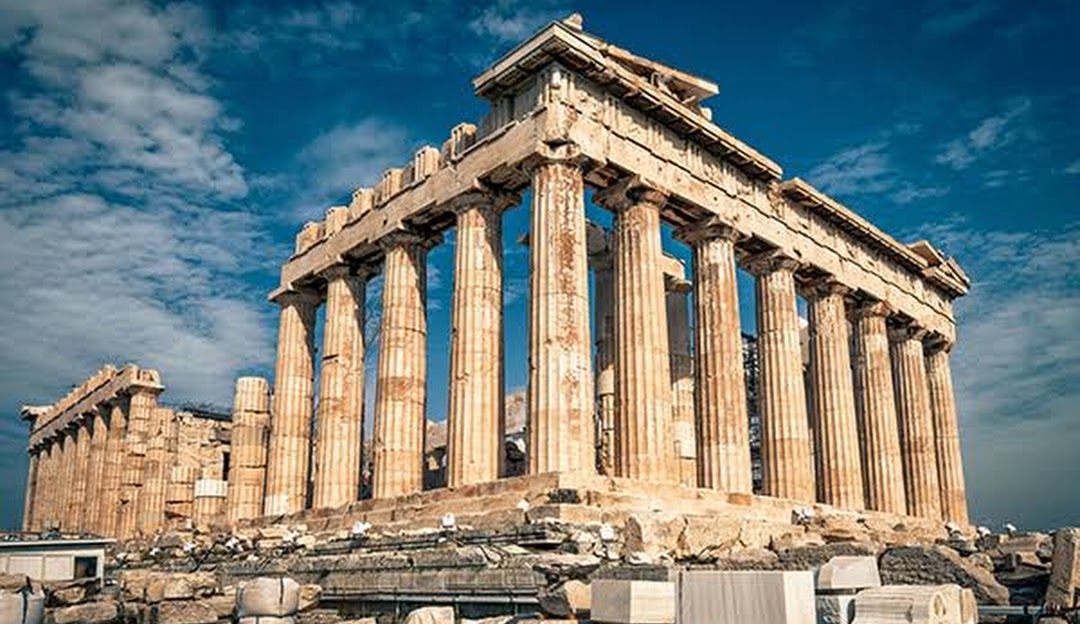
Greece is a country in southeastern Europe with thousands of islands throughout the Aegean and Ionian seas. Influential in ancient times, it's often called the cradle of Western civilization. Athens, its capital, retains landmarks including the 5th-century B.C. Acropolis citadel with the Parthenon temple. Greece is also known for its beaches, from the black sands of Santorini to the party resorts of Mykonos
🇬🇷 Greece Travel Guide
Peak Season (July-August): This is the hottest and busiest time of year. Perfect for beach holidays and island hopping, but expect large crowds and higher prices.
Shoulder Seasons (April-June & September-October): The ideal time for most travelers. The weather is pleasant, the crowds are thinner, and prices are more affordable. This is the best period for sightseeing, hiking, and exploring ancient sites.
Winter (November-March): Offers a unique perspective on Greece, with fewer tourists. It's perfect for exploring mainland cities like Athens and Thessaloniki.
Schengen Area: Greece is part of the Schengen Area. Citizens of the EU, EEA, and many other countries (including the U.S., Canada, Australia, and the UK) can enter Greece for up to 90 days in any 180-day period without a visa for tourism.
Other Nationalities: Visitors from countries outside the Schengen zone may need a visa. It is essential to check the official requirements with the Greek embassy or consulate in your home country well in advance.
Documents: Your passport must be valid for at least three months beyond your planned departure from the Schengen Area.
Currency: Greece's official currency is the Euro (€).
Money Tips: ATMs are widely available in cities and larger towns. Credit cards are accepted in most hotels, restaurants, and shops, but it's always a good idea to carry some cash for smaller purchases, local markets, and remote islands.
Daily Budget Estimates (per person):
Budget: €40-€80. This covers a bed in a hostel, street food like gyros, and public transport.
Mid-Range: €80-€150. This allows for comfortable stays in guesthouses, meals at local tavernas, and some guided tours.
Luxury: €250+. This includes stays at high-end hotels, fine dining experiences, and private tours.
Clothing: Pack lightweight, breathable fabrics for the summer. A light jacket or sweater is useful for cooler evenings. When visiting religious sites like monasteries, modest attire (covering shoulders and knees) is required.
Footwear: Comfortable walking shoes are a must for exploring ancient ruins and city streets. A good pair of sandals is also essential for the islands.
Sun Protection: Bring a wide-brimmed hat, UV sunglasses, and high-SPF sunscreen.
Other Items: A reusable water bottle is eco-friendly and necessary for staying hydrated. An insect repellent is also highly recommended, particularly for evenings near the water.
Flights: Domestic flights are a quick way to travel between major cities and islands.
Ferries: The vast ferry network is the quintessential Greek experience for island hopping. Book tickets in advance during peak season.
Buses: The intercity bus system (KTEL) is reliable, affordable, and connects most towns and villages on the mainland.
Taxis & Ride-Sharing: Taxis are readily available. Apps like Uber (in Athens) and Beat (now Free Now) are convenient for transparent pricing.
Rental Cars: An excellent option for exploring the mainland or a specific island at your own pace.
Souvlaki & Gyros: The ultimate Greek street food, both featuring seasoned meat in warm pita bread with tzatziki.
Moussaka: A baked casserole layered with eggplant, minced meat, and a creamy béchamel sauce.
Greek Salad (Horiatiki): A simple but delicious salad of fresh vegetables, feta cheese, and local olive oil.
Seafood: In coastal towns and islands, fresh seafood is a must-try.
Drinks: Try Ouzo, an anise-flavored aperitif, or Tsipouro, a strong distilled spirit.
Athens: The capital offers a dynamic and varied nightlife.
Plaka & Monastiraki: Historic neighborhoods with traditional tavernas and modern bars.
Gazi & Psyrri: Known for their hip clubs and rooftop bars.
Mykonos: Famous for its glamorous party scene with all-day beach parties and world-class DJs.
Santorini: The nightlife here is more relaxed and romantic, with stunning sunset views from rooftop bars.
Athens: The historical heart of Greece. Must-Do: Climb the Acropolis to see the Parthenon.
Santorini: The iconic island with whitewashed villages and stunning caldera views. Must-Do: Watch the sunset from Oia.
Crete: The largest Greek island, offering a mix of ancient ruins, gorges, and lively towns. Must-Do: Visit the Palace of Knossos.
Mykonos: Known for its lively party scene, charming windmills, and beautiful Old Town.
Corfu: A green and lush Ionian island with Venetian architecture and beautiful beaches.
The "Moutza": Do not gesture with an open palm facing someone, as this is a highly offensive hand gesture.
Tipping: Tipping is customary in restaurants (around 10-15% for good service).
Safety: Greece is a very safe country. Be aware of pickpockets in crowded tourist areas like the Athens Metro.
Bargaining: In tourist-heavy areas, prices are often set. Bargaining is not a common practice in most shops and restaurants, unlike in some other countries.
Mobile SIM Card: You can purchase a local prepaid SIM card from providers like Cosmote, Vodafone, or Nova at the airport or in official stores.
Power Outlets: Greece uses Type C and Type F plugs with two round pins. The standard voltage is 230V.
Travel Insurance: Comprehensive travel insurance is highly recommended.
Drinking Water: Tap water is generally safe to drink in major cities on the mainland, but it's best to stick to bottled water on the islands.
Sun Safety: Stay hydrated and avoid prolonged sun exposure during the hottest part of the day (12 PM to 4 PM).
Medications: Pharmacies (farmakeio) are well-stocked, but it's best to bring any specific prescription medications you need.
Enjoy your journey to Greece!
Explore the best tours available for this destination
-1756465047.jpeg)